
3 mistakes that lower student confidence in reading

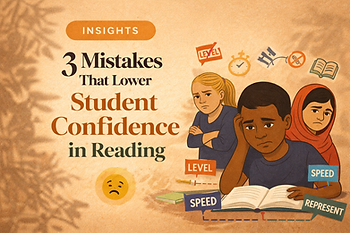
One of the hardest things to watch as an educator or parent is a child slowly losing confidence in their ability to read. It doesn’t usually happen all at once. It shows up in small ways—hesitation, avoidance, quick “I don’t know” responses, or a reluctance to even try. Over time, those small moments build into a belief: I’m not a good reader. The truth is, many of the things that lower student confidence aren’t intentional. They come from common practices that, while well-meaning, can have the opposite effect. When we begin to recognize and shift these patterns, we can start rebuilding confidence in powerful ways.
One of the biggest mistakes is focusing too much on level instead of growth. While reading levels can be helpful for understanding where a student is, they can quickly become labels in a child’s mind. Students begin to compare themselves to others or feel stuck in a category that defines their ability. When everything revolves around level, it sends the message that where you are matters more than how you’re growing. Instead, shifting the focus to progress—celebrating small wins, effort, and improvement—helps students see that reading is something they can get better at over time. Confidence grows when students recognize their own development, not just their placement.
Another common mistake is prioritizing speed over understanding. Many students feel pressure to read quickly, which can make them anxious and unsure. When reading becomes about getting through the text as fast as possible, comprehension and confidence both suffer. Students may rush, make mistakes, and then feel discouraged when they don’t understand what they’ve read. Slowing down the process and valuing thinking over speed changes the experience entirely. When students are given the space to pause, reflect, and make meaning, they begin to trust themselves as readers.
A third mistake that often goes unnoticed is a lack of representation in what students are reading. When children don’t see themselves, their identities, or their experiences reflected in books, it can create a disconnect. Reading begins to feel less relevant, less engaging, and sometimes even alienating. On the other hand, when students see characters who look like them, speak like them, or share similar experiences, it creates a sense of connection and belonging. That connection is powerful. It tells students that their stories matter, and that they have a place in the world of reading.
The good news is that these mistakes are not permanent—they are opportunities for change. By shifting the focus from level to growth, from speed to understanding, and from generic content to meaningful representation, we can begin to reshape how students experience reading. Confidence is built in those everyday moments when students feel successful, seen, and supported.
This work doesn’t require perfection. It requires awareness and intentionality. When we create environments where students are encouraged to take risks, where their thinking is valued, and where they can see themselves reflected, we begin to rebuild not just their skills, but their belief in what they are capable of.
If you’re looking for tools to support this shift, consider using resources that are intentionally designed to build both skill and confidence. Materials that provide structure while also affirming students’ identities can make a meaningful difference in how they engage with reading. You can explore resources on the site that are created with this balance in mind—helping students grow as readers while also strengthening their confidence every step of the way.
At AffirmED Scholars, we believe every child is capable—especially the ones the system misunderstands. Explore resources designed to build confidence, close gaps, and remind every learner: you are not behind—you are becoming.


Comments